
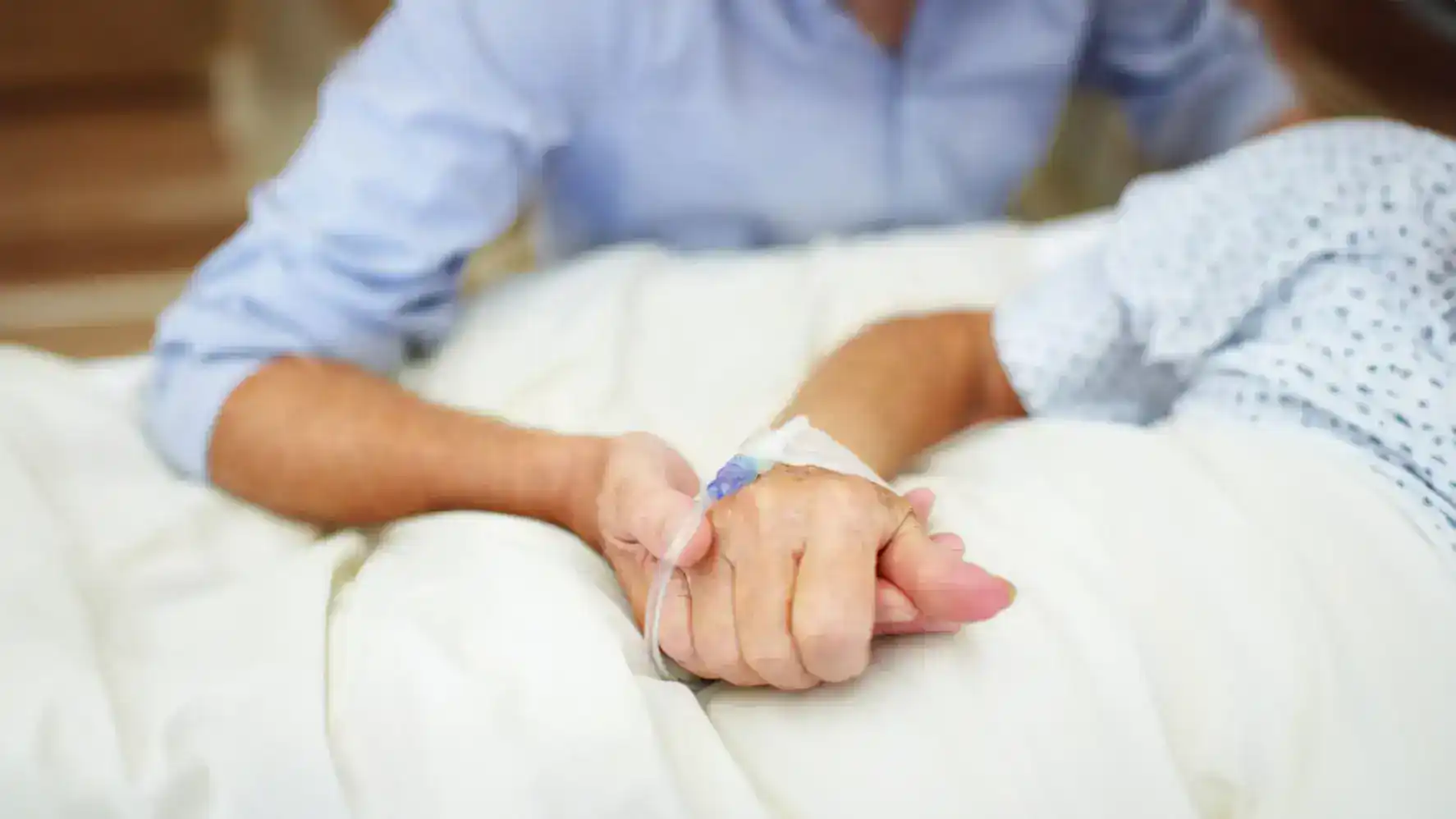
The risk of falls in old age is very high, and it is even higher for those who suffers from Parkinson's disease. For them a fall may represent the beginning of the loss of independence.
Some studies have estimated that after the age of 50. One in two women and one in five men incur orthopedic trauma important, at least once during their lifetime.
In Parkinson's patients, this risk rate is fearfully elevated, although to an inverse degree. In fact, fractures are more likely in male than female subjects, as the disease shows a higher predilection of 50% toward male patients.
In a study published in the international journal PlosOne, they explains how Parkinson's patients have twice the risk, compared to the rest of the population, of fracturing their femurs.
Undergoing surgery, for a patient with Parkinson's disease, exposes a patient with Parkinson's disease to a high risk of developing pneumonia, urinary infections, surgical and post-surgical complications, such as pressure sores, as well as dislocation, failure of prosthesis fixation, infection, and risk of counter lateral fractures.
It is now well documented that Parkinson's patients do not die from their disease, but from its indirect consequences: falls and accidental trauma are, in fact, one of the main reasons for death for patients with the disorder.
Scientific studies have estimated that, in a parkinsonian patient, hip fracture results in death from complications within one month in 10% of cases. Moreover, less than half of those who suffer such a fracture are able to return home.
A clinical study published in the’International Journal of Engineering and Innovative Technologies pointed out that the AMPS therapy, provided by GONDOLA®, allow to reduce, from the first application, the motor disorders and, consequently, the risk of falling.
Restoring, at least to some extent, safety and balance in movement allows, therefore, not only a significant improvement in the quality of life of Parkinson's patients and their family members, but also a reduction in the risk of suffering significant, incapacitating and, in some cases, lethal physical damage.
Professor Fabrizio Stocchi, head of the Center for Parkinson's Disease Treatment and Diagnosis, IRCCS San Raffaele Pisana in Rome, one of the authors of the study, also points out:
AMPS therapy has a positive effect on bradykinesia (the slowing in movement execution) and improves gait speed, stride length and gait stability during movement. In the study, the improvement of some parameters also increased by 50% compared with the baseline value detected before stimulation.


 Italiano
 Français
 Deutsch
 English