
HOW LONG DO THE EFFECTS OF AMPS (AUTOMATED MECHANICAL PERIPHERAL STIMULATION) TREATMENT LAST? AND ALSO: THE REPETITION OF THERAPY DELIVERED WITH THE GONDOLA DEVICE® DOES IT ALLOW THE BENEFITS TO BE MAINTAINED?
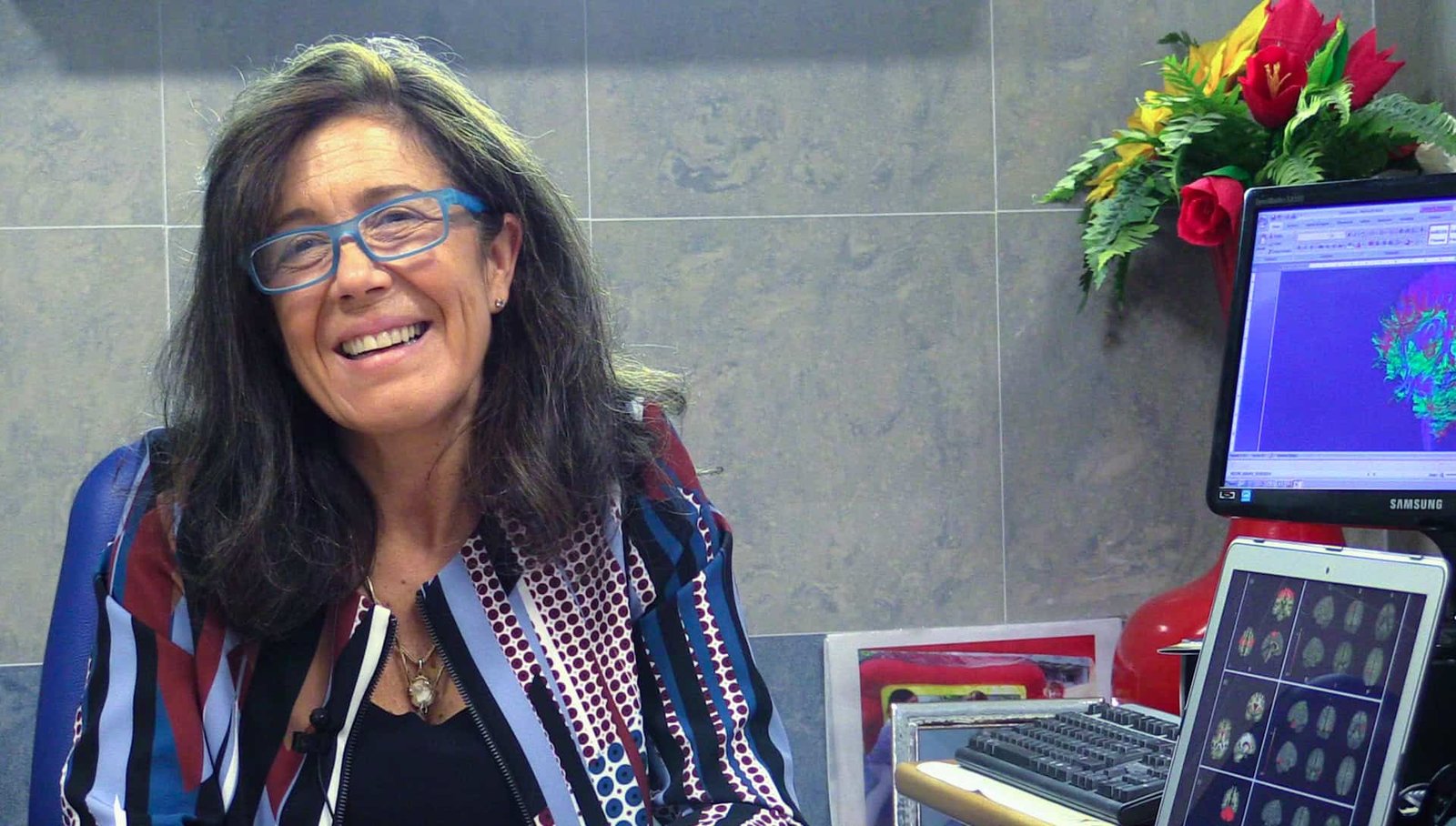
To answer these questions, Dr. Maria Francesca De Pandis, head of the Parkinson's Center San Raffaele Hospital in Cassino, designed a clinical study conducted on a group of 18 people with Parkinson's disease who underwent a course of 6 stimulations, two per week.
Measurements, taken before the start of the treatment cycle, then after the sixth (and last) stimulation, and then 48 hours and 10 days after the last stimulation, confirmed the positive effects of the GONDOLA treatment® at slowness of movement typical of parkinsonian patients, showing improvement in walking speed, step length and balance.
Repetition of therapy over time allows these improvements to be maintained, inducing a more stable path and returning rhythmicity in step; the risk of falls is also reduced; in fact, the double stance time during walking is reduced after the therapy delivered by the medical device GONDOLA®; double stance is one of the most important indices in the assessment of balance and postural stability.
The recorded improvements are maintained even 48 hours after the last stimulation, while at a distance of 10 days--in the absence of new stimulation--the motor parameters return to close to the values prior to the stimulation cycle.
In addition to enabling these improvements-thanks in part to the reactivation of the motor functions - AMPS stimulation retains efficacy for 3 to 4 days but needs to be repeated constantly to avoid regression from benefits.
You can get more information about the publication in International Journal of Rehabilitation Research at this link.
Watch the video with the interview with the researchers who conducted the study.


 Italiano
 Français
 Deutsch
 English